Dental Practice Branding: What Patients Look for Before Booking
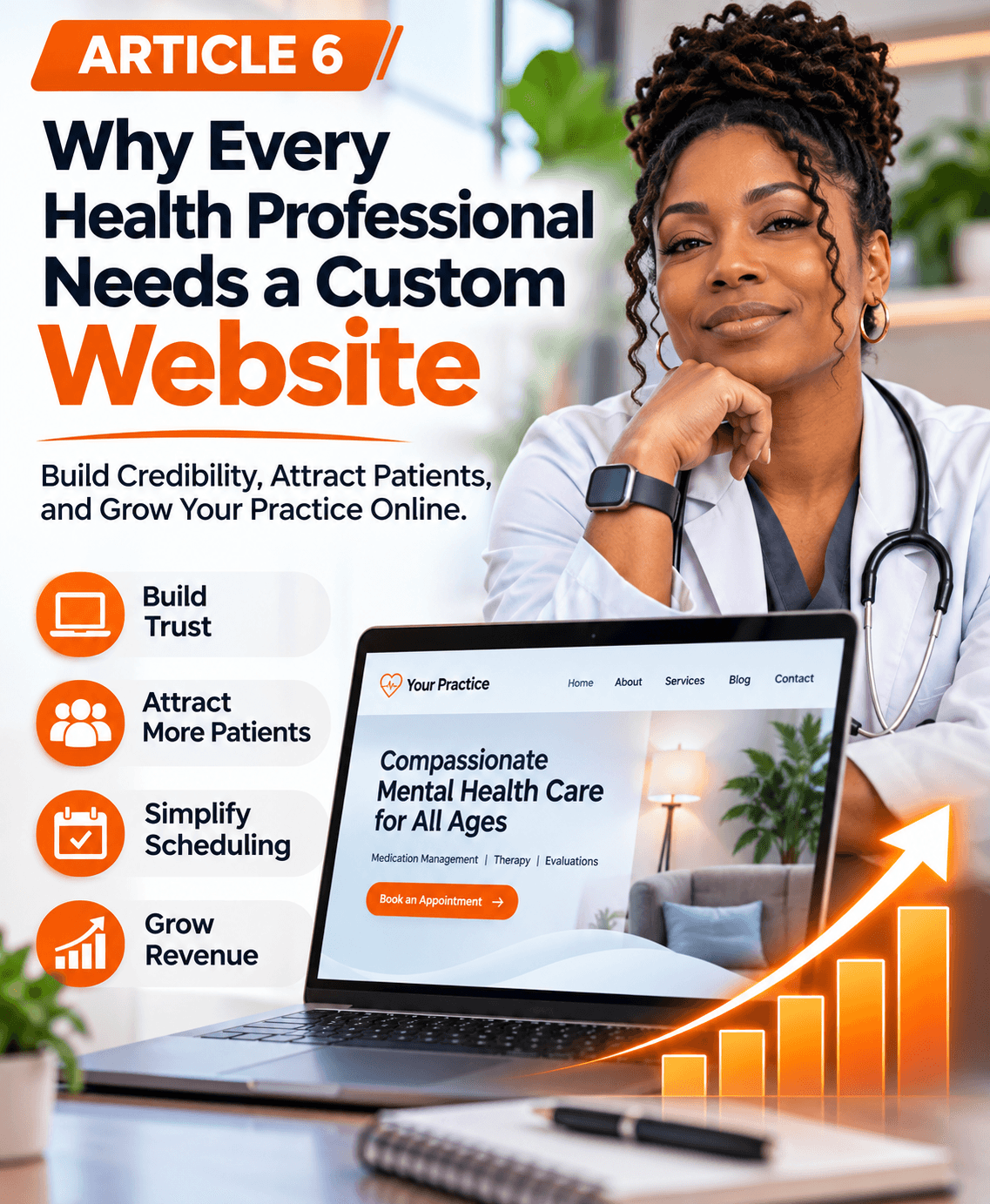
When prospective patients compare dental practices, they're evaluating more than a list of treatments. They're also asking whether the office feels credible, whether the team understands their needs, and whether scheduling will be straightforward.
That's why dental branding isn't just your logo. It's the experience of deciding whether to trust your practice.
Key Takeaways
- Dental branding includes the entire experience of evaluating a practice, not just a logo.
- Real staff information, credible images, and clear expectations can build trust.
- Consistency across the website, business listings, and social channels matters.
Make your brand promise specific
“Quality care in a comfortable environment” could describe thousands of offices. Consider what actually distinguishes your practice: family-focused scheduling, clear treatment discussions, an experienced team, accessible facilities, or a defined set of services.
The online brand should match real services and consistent public information. MediaDari's dental practice branding services can support that work; Google's Business Profile guidelines explain key rules for representing your business accurately.
State real differentiators in plain language. Don't position ordinary features as exclusive innovations or guarantee a particular dental result.
Put the people behind the practice forward
Professional photographs of the actual team and office help patients understand what to expect. Provider biographies should include accurate credentials and practice areas. A staff introduction can make an unfamiliar office feel more approachable before the first appointment.
Stock images can support a design, but they should not pretend to represent your team, patients, or results.
Give visitors a sense of the first appointment
A new-patient page can answer questions about check-in, records, payment policies, appointment requests, and accessibility. This information reduces uncertainty without straying into individualized treatment advice.
If you offer general, emergency, and cosmetic dentistry, describe the relevant next step for each. Someone investigating implants may expect a consultation rather than a same-day procedure.
Keep the visual experience consistent
A polished website won't create trust if your Google Business Profile shows outdated hours and your social posts use a completely different business name or phone number.
Use consistent brand colors, practice details, and messaging across your website, listings, appointment confirmations, and social channels. Consistency makes information easier to recognize and verify.
Let proof be accurate and responsible
Genuine patient experiences, where lawfully shared and permitted, can provide context. Avoid fabricated testimonials, incentivized reviews, and outcome claims that can't be substantiated. If a patient image or story is used, obtain the necessary permissions.
Trust isn't created by adding more badges to the homepage. It comes from reliable information, an understandable process, and a professional experience.
Branding Starts Before A Patient Reads The First Paragraph
Patients begin forming impressions from the photographs, layout, typography, and navigation. A polished design can help, but authenticity is more important than a template full of staged smiling models. If a dental practice has an inviting office, a welcoming team, and clinicians who are comfortable being introduced publicly, real photography often communicates those qualities better than interchangeable stock imagery.
Use the same practice name, visual identity, contact details, and tone across the website, business listing, appointment reminders, and social profiles. Consistency reduces confusion and helps patients recognize that they have reached the right office.
Show The People And The Process
A dental practice website should make clinician biographies, qualifications, office location, and major services easy to find. If there are several dentists, introduce their roles accurately. Explain what a new-patient appointment typically involves and how the office handles insurance questions or financing inquiries. These ordinary operational details may matter more to a cautious visitor than a giant animated slogan.
When you display testimonials, photographs, or before-and-after cases, verify permission and compliance requirements. Do not imply that an individual example guarantees similar results for every patient. A credible story gives context without exaggeration.
Match The Brand To The Type Of Care
A family dentistry office might emphasize accessibility, ease of scheduling, and comfort for different age groups. A practice focused on cosmetic consultations may prefer elegant imagery, clear treatment explanations, and a confident but restrained visual style. A multidisciplinary dental clinic may need navigation that separates routine, restorative, and specialist services so people do not assume every provider performs every procedure.
The goal is not to create a completely different brand for every landing page. It is to translate the practice's actual strengths into a consistent digital experience. The brand should reflect what patients will encounter when they call or visit.
Make Trust Measurable Without Reducing It To A Number
You cannot measure trust directly with an analytics dashboard, but you can look for signs that your communication is helping. Do visitors explore provider pages? Do appointment inquiries mention information they found online? Are prospective patients asking fewer basic questions about location, accepted plans, or procedures because the website already answered them? These observations help guide improvements, though they are not proof of causation.
A branding project can include photography, writing, service-page organization, website design, and a consistent plan for social media. MediaDari's value is in connecting those elements to a clear patient experience and business goals rather than treating a new logo or color palette as the entire solution.
Action Plan: What to Do Next
- Replace unrepresentative stock imagery with genuine, approved practice visuals where possible.
- Clarify clinician credentials, office services, and first-visit expectations.
- Align brand identity, hours, and contact information across channels.
- Review claims, reviews, and before-and-after imagery for accuracy and permissions.
Dental Branding Questions
-
Do I need professional photography? It can help a practice show real people and its actual environment, but quality and authenticity matter more than expensive production. Use truthful images and obtain permission when people can be identified.
-
Should every dental brand look luxurious? No. A family practice may need a welcoming, straightforward style; a cosmetic-focused clinic may prefer more editorial presentation. Branding should reflect real services, patients, and the office experience.
-
Are testimonials more important than clear service explanations? Both can contribute, but neither replaces the basics. Visitors still need accurate provider information, practical appointment instructions, and payment details. Use testimonials only with appropriate permissions and without misleading claims.
See how MediaDari helps dental practices connect branding, visibility, and bookings.
Ready to strengthen your online presence?
MediaDari helps businesses with web design, development, digital marketing, branding, and AI automation.
Let's Talk